

Movement
Movement sessions favor frequency over intensity. The goal is a habit you can repeat several times a week, so most sequences are short and adaptable to a small space.
Sawaru workshops follow a defined structure so that habits build gradually across weeks, not just within a single hour. Here is how each part fits together.

Before a session is written, we ask what a person needs to know before they can act on it that same day. That question shapes the entire format: shorter explanations, fewer assumptions, and a clear next step at the end of every class.
Facilitators are asked to avoid technical shorthand. If a term needs to be used, it gets explained in plain language the first time it appears, then used consistently after that so nothing feels unfamiliar twice.
The order below stays consistent across movement, rest and nutrition tracks, which keeps sessions easy to follow even for a first-time participant.
The facilitator explains what the session will cover and why it matters in everyday terms, without assuming prior knowledge of the topic.
Depending on the track, this is either a movement sequence, a breathing or rest exercise, or a walk-through of a nutrition planning habit. Everything is demonstrated step by step.
Complex ideas are reduced to one or two small actions participants can apply that same day, rather than a long list to remember later.
The final minutes are reserved for live questions. Nothing about pacing is rushed to make room for this.
After the live session, a brief written summary is added to the Session Library alongside the recording, for anyone who prefers reading over watching.
We deliberately avoid combining all three into one generic wellness session. Each area has its own pacing and its own way of measuring small progress.
Movement sessions favor frequency over intensity. The goal is a habit you can repeat several times a week, so most sequences are short and adaptable to a small space.
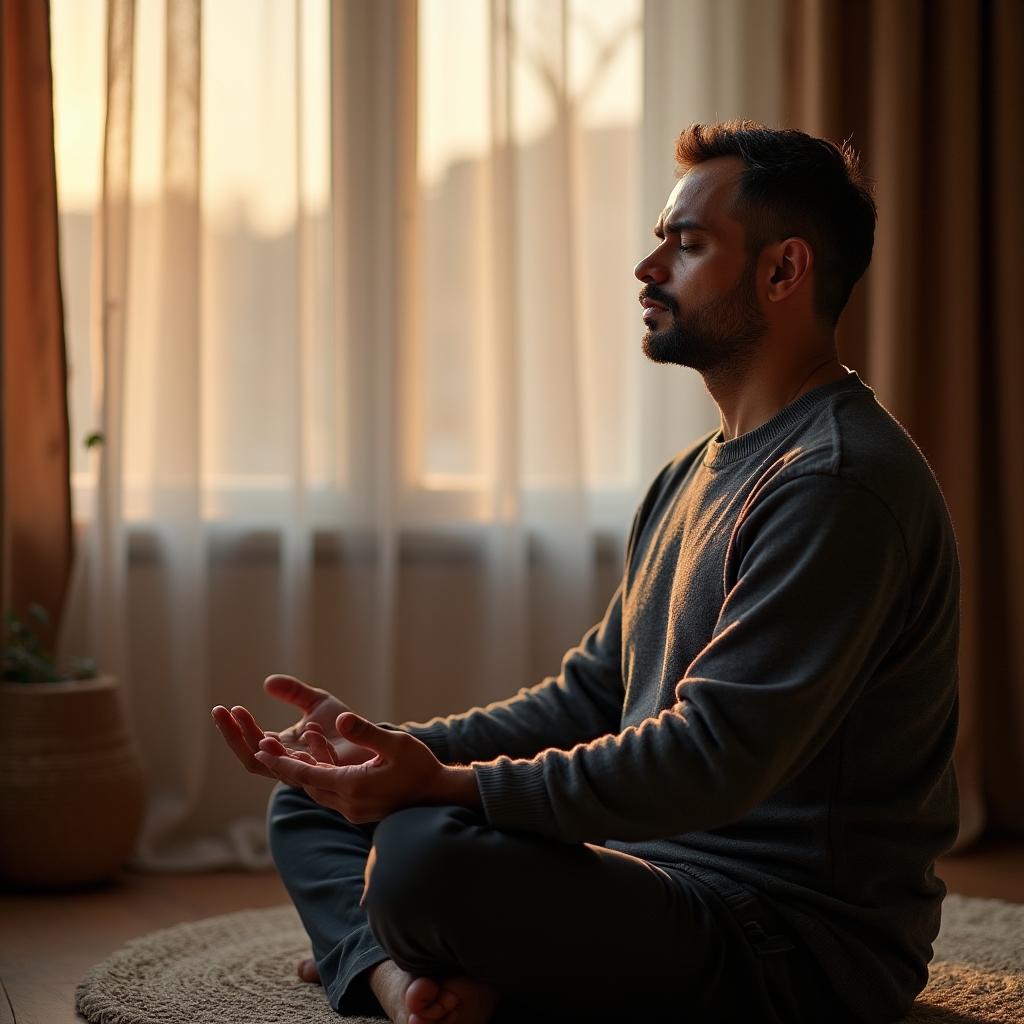
Rest sessions treat sleep and downtime as habits worth planning around, not something that simply happens after everything else is done.

Rather than meal prescriptions, nutrition sessions focus on planning routines: when to shop, how to prepare, and how to notice patterns over a few weeks.
No. Movement sessions are designed around bodyweight sequences that can be done in a small space. A chair is sometimes used for support, but nothing specialized is required.
Every live session is added to the Session Library the following day, along with a short written recap, so missing a class does not mean missing the material.
Sessions are general and educational in nature. They are not a substitute for individual medical or clinical guidance, and participants are encouraged to consider their own circumstances when following along.
Each week typically includes sessions from all three tracks, spaced across different days so participants are not asked to attend on consecutive evenings.